Maximizing Efficiency and Safety with the Right Workbench
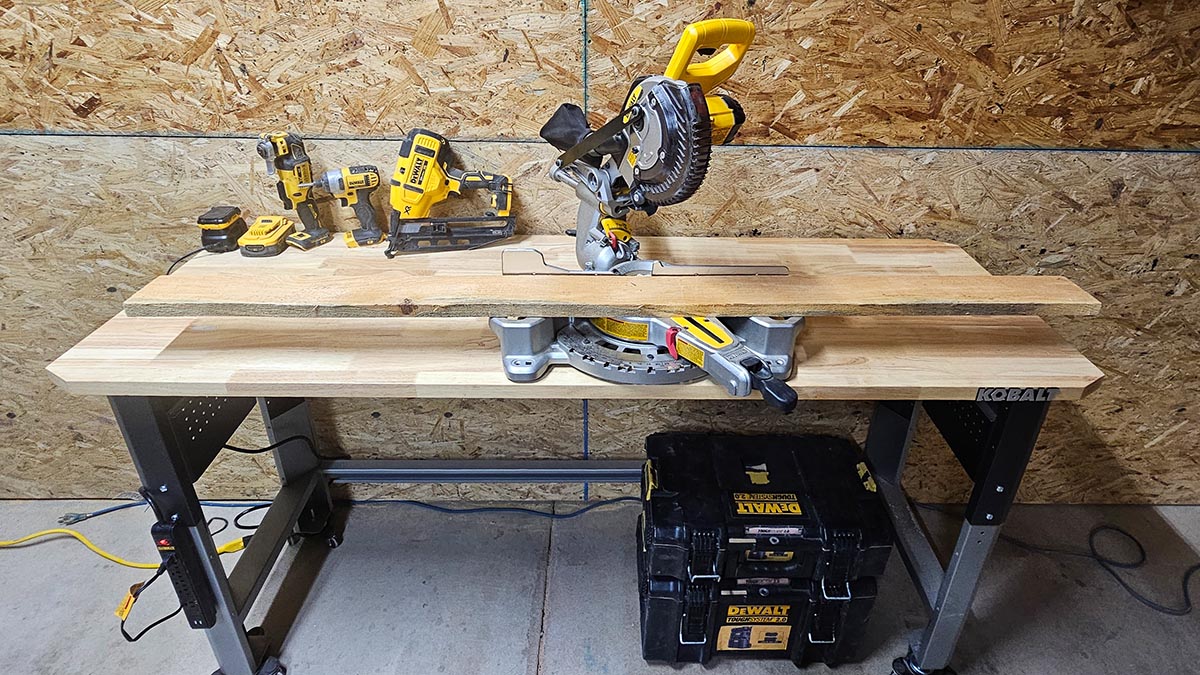
A workbench is more than just a flat surface for performing tasks; it is the heart of a productive workspace. Whether in a home garage, professional workshop, laboratory, or industrial environment, the design, quality, and functionality of a workbench can significantly influence efficiency, organization, and safety. Selecting the right workbench and maintaining it properly ensures that both professionals and hobbyists can complete tasks effectively while minimizing risk and maximizing comfort.
The first consideration in choosing a workbench is its purpose. Workbenches come in a wide variety of designs tailored to specific tasks 工作枱. For example, woodworking benches often include vises, clamps, and sturdy surfaces for handling heavy materials. Metalworking benches may incorporate heat-resistant tops and reinforced frames to support welding, grinding, or machining tasks. Laboratory workbenches are designed for chemical resistance, with features that accommodate instruments and safety equipment. Understanding the intended use of a workbench is essential to selecting one that meets operational requirements efficiently.
Material selection plays a crucial role in a workbench’s durability and functionality. Common materials include solid wood, steel, aluminum, and engineered composites. Each material offers distinct advantages depending on the type of work being performed. Wooden workbenches provide a resilient surface ideal for light-duty tasks, woodworking, and general repairs. Steel or aluminum benches offer unmatched strength and longevity, making them suitable for heavy-duty industrial tasks or workshops handling metals and machinery. Composite surfaces often provide chemical or heat resistance, making them ideal for laboratories or environments where spills and high temperatures are common.
Ergonomics is another essential factor in workbench design. A properly sized workbench reduces strain on the body and enhances productivity. Height-adjustable benches are particularly valuable, allowing users to alternate between sitting and standing positions. This flexibility prevents fatigue, promotes better posture, and reduces the risk of repetitive strain injuries. Additionally, benches with anti-slip surfaces, proper footrests, and strategically placed storage contribute to a safer and more comfortable working experience.
Storage solutions integrated into a workbench enhance organization and accessibility. Drawers, shelves, and pegboards allow users to keep tools, materials, and accessories within arm’s reach. A well-organized workbench minimizes downtime spent searching for tools, allowing for uninterrupted workflow. Modular storage systems further enhance efficiency by enabling users to customize their workspace according to changing project requirements. In both professional and home settings, a workbench that combines functionality with organization boosts productivity significantly.
Safety is a critical aspect of any workbench setup. Proper anchoring of the bench ensures stability, especially when handling heavy machinery or using power tools. Workbenches equipped with clamps, vises, and secure fasteners help stabilize materials, reducing the risk of accidents. Additionally, benches designed with fire-resistant or chemical-resistant surfaces provide an extra layer of protection in workshops and laboratories. Adhering to safety protocols while using a workbench ensures that tasks are completed effectively without compromising personal well-being.
Workbenches are also a focal point for collaboration and project management in larger workspaces. In professional workshops, a central workbench can serve as a hub for team activities, allowing multiple users to share tools and coordinate on complex projects. Open layouts with spacious benches facilitate communication and efficiency while maintaining clear boundaries for safety. In educational settings, such as technical schools or labs, workbenches are designed to encourage teamwork, experimentation, and learning while providing a safe and controlled environment.
Maintenance and longevity of a workbench are critical for sustaining its functionality over time. Regular cleaning, proper storage of tools, and timely repairs prevent wear and tear. Wooden benches may require periodic sanding or sealing, while metal benches may need rust prevention and lubrication of moving parts. By keeping a workbench in optimal condition, users ensure reliable performance and protect their investment in the workspace infrastructure.
Technological integration is becoming increasingly relevant in modern workbench design. Some workbenches now include built-in power outlets, USB ports, and integrated lighting to support contemporary tools and equipment. Smart workbenches can also feature sensors, monitoring systems, or adjustable surfaces controlled electronically. These innovations enhance efficiency, reduce manual adjustments, and accommodate the demands of high-precision tasks in industrial or technical environments.
Portability is another feature that adds versatility to a workbench. Foldable or mobile benches equipped with locking wheels enable users to move the workspace easily, adjust layouts, or store benches when not in use. Portable workbenches are particularly useful for contractors, fieldwork, or temporary project sites, where flexibility is key. Combining portability with durability ensures that a workbench can serve multiple locations without sacrificing stability or functionality.
Environmental considerations are becoming increasingly relevant in selecting a workbench. Many modern workbenches are constructed using sustainable materials or recycled components. Choosing eco-friendly benches aligns with broader corporate social responsibility goals and promotes a healthier working environment. Additionally, well-designed workbenches contribute to reduced clutter, better ventilation, and safer handling of materials, supporting both sustainability and efficiency in the workspace.
In conclusion, a workbench is an indispensable component of any productive workspace. Its design, material, ergonomics, storage solutions, and safety features collectively determine the efficiency, comfort, and effectiveness of the work being performed. Whether for woodworking, metalworking, laboratory research, or general repairs, investing in a high-quality, purpose-built workbench enhances productivity, safeguards health, and supports long-term operational success. Understanding the specific requirements of your tasks and selecting the appropriate workbench ensures a workspace that is organized, safe, and adaptable to evolving project needs. By prioritizing functionality, safety, and ergonomics, users can maximize the value and longevity of their workbench while creating an environment conducive to professional excellence.


Post Comment